Treated
varieties
Rosita
Temperature
range
8℃-35℃
Altitude
~1800
meters
Bee hives
density
10/ hectare
Planting
style
Substrate (soilless growing)
Orchard
type
Tunnels
In 2023, after several seasons marked by extreme heat and dry conditions caused by El Niño, a blueberry grower in León, Mexico, was looking for a more reliable solution. Despite using bee hives and protective tunnels, natural pollination couldn’t deliver reliable yields. The grower turned to BloomX’s bio-mimicking technology to stabilize production and improve fruit quality under these challenging conditions.
Heat waves during flowering: The region experienced multiple heat spikes above 35°C (95°F), occasionally reaching 40°C (104°F), during critical flowering weeks.
El Niño effects: The broader El Niño phenomenon contributed to prolonged dry conditions and increased climate variability in Central Mexico.
BloomX’s bio-mimicking pollination technology provided targeted and reliable pollination during optimal flowering windows, mitigating the impact of climate-related stress and supporting consistent fruit set even in adverse conditions.
The team started their work in the field when flowering had reached approximately 30% and pollinated the flowers using Robee device over a period of 10 weeks. In total, 10 treatments were performed, averaging one application per week.
BloomX’s innovative pollination technology has proven to be a game-changer for Grupo Rotondo, delivering measurable improvements in yield and sustainability. Antonio Rotondo highlights the simplicity and effectiveness of the solution, stating, “I fully recommend this technique. The estate teams should become familiar with it, be trained, and execute it effectively.”
With promising results in both Chincha and the Lambayeque region, Grupo Rotondo continues to leverage BloomX’s technology to improve avocado production. This partnership showcases the transformative potential of innovation in modern agriculture, providing a replicable model for farmers seeking to enhance productivity and sustainability.
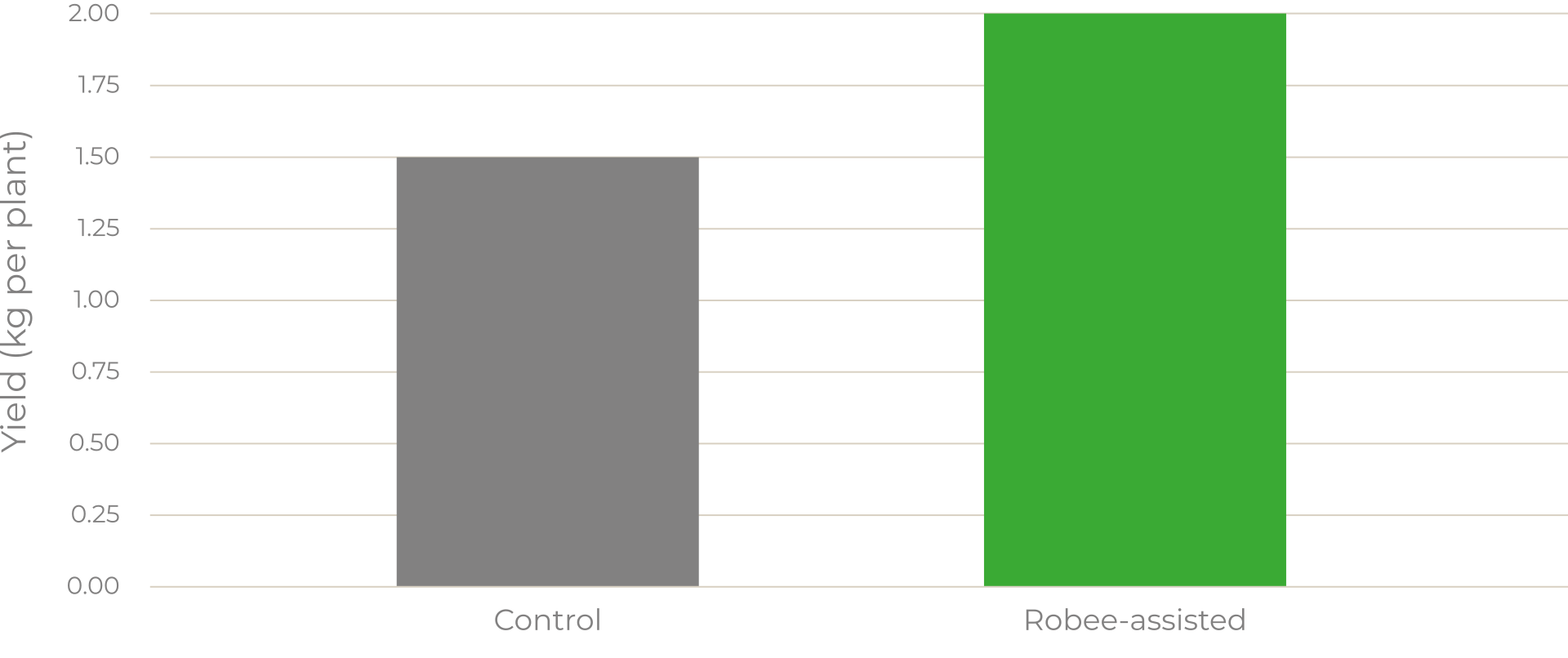
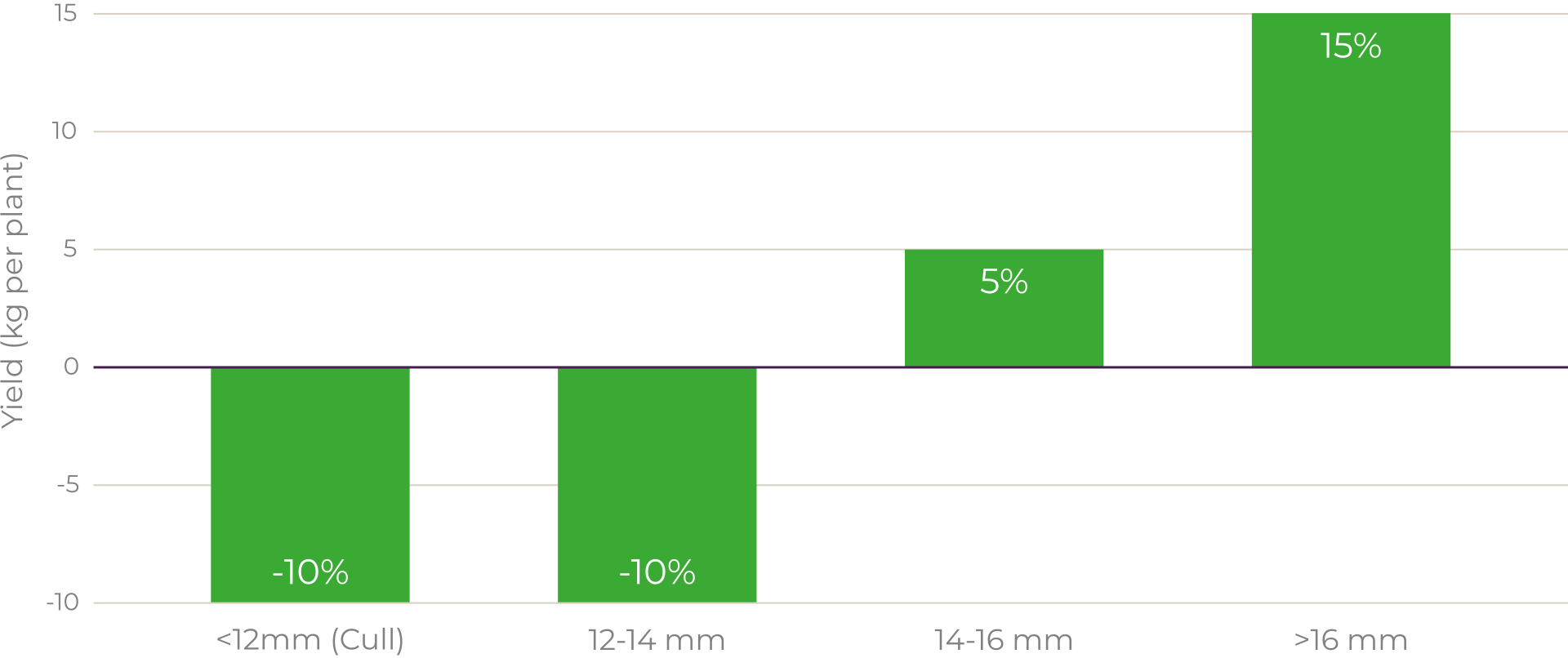
Robee-assisted pollination significantly resulted in a 33.5% increase in marketable yield, a 16.7% reduction in cull fruit, and a 12.9% increase in average fruit weight. The typical Rosita berry size grew by over 8%, supporting a higher share of premium fruit.